Live Taller at Home with Murphy Beds and Wall-Mounted Storage

Measuring What Really Matters

Finding Structure Inside the Wall
Choosing the Right Murphy Bed Mechanism and Configuration
Pistons, Springs, and Counterbalance
Quality counterbalance keeps movement controlled and predictable. Look for documented cycle ratings, field-replaceable parts, and clear adjustment procedures. Test the bed half-raised for drift or snapping. If it fights you, walk away. Controlled motion protects fingers, floors, and confidence, especially for guests and late-night resets.
Vertical or Horizontal Orientation
Vertical beds preserve floor depth but need ceiling height and front clearance. Horizontal beds suit low ceilings, wide rooms, or under-window placements. Consider head clearance, mattress size, and adjacent storage. The right orientation makes morning transitions breezy and keeps traffic moving naturally around furniture.
Wall-Mounted Storage That Works Hard
Style Cohesion and Visual Lightness
{{SECTION_SUBTITLE}}
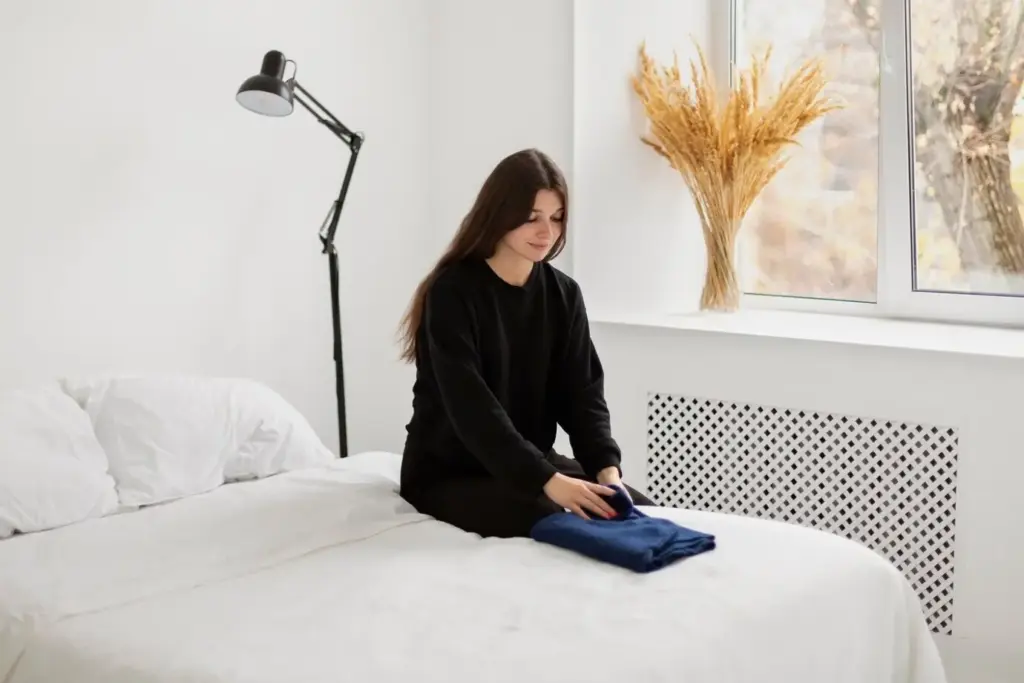
Palettes, Textures, and Grains

Slim Profiles and Airy Lines

Anchors, Studs, and Substrates
Gypsum over metal studs behaves differently than plaster over lath or concrete. Choose anchors designed for the substrate, and never rely on drywall alone. Pre-drill carefully, use a level, and test loads gently before filling cabinets. Good judgment here prevents cascading problems later.
Clearances, Power, and Ventilation
Leave space for pillows, bedding, and fingers at the headboard. Keep cords managed with grommets and clips. Avoid blocking HVAC returns or radiators with tall pieces. Provide dedicated circuits for lighting or a motorized bed, preventing nuisance trips and preserving nighttime peace.
When to Call a Professional
If the wall is unknown, electrical reroutes are needed, or the mechanism resists calibration, bring in an experienced installer. Their expertise preserves warranties, reduces risk, and speeds completion. You still control the aesthetics; they ensure the hidden bones are trustworthy and resilient.

Studio Apartment: Table for Six, Bed for One

Office by Day, Guest Haven by Night

Kid Zone with Room to Grow

All Rights Reserved.